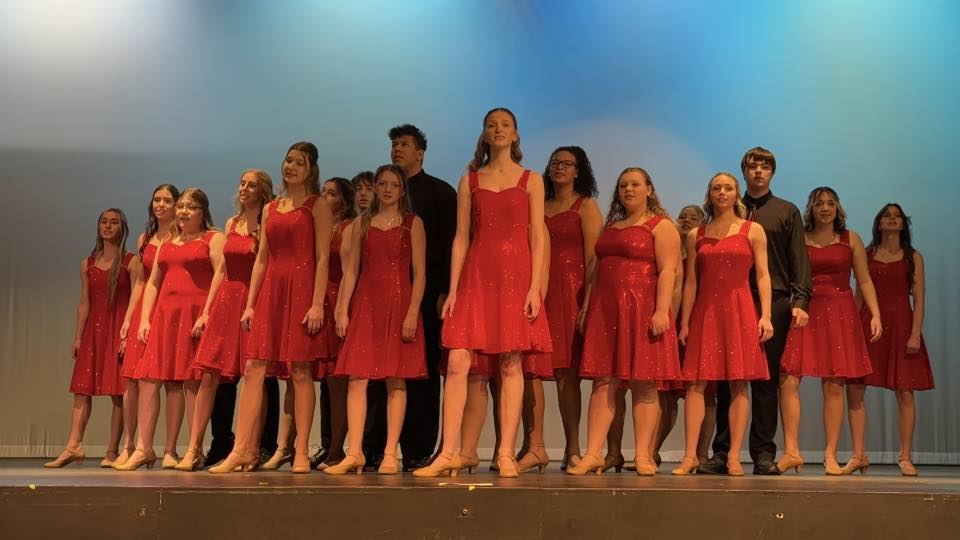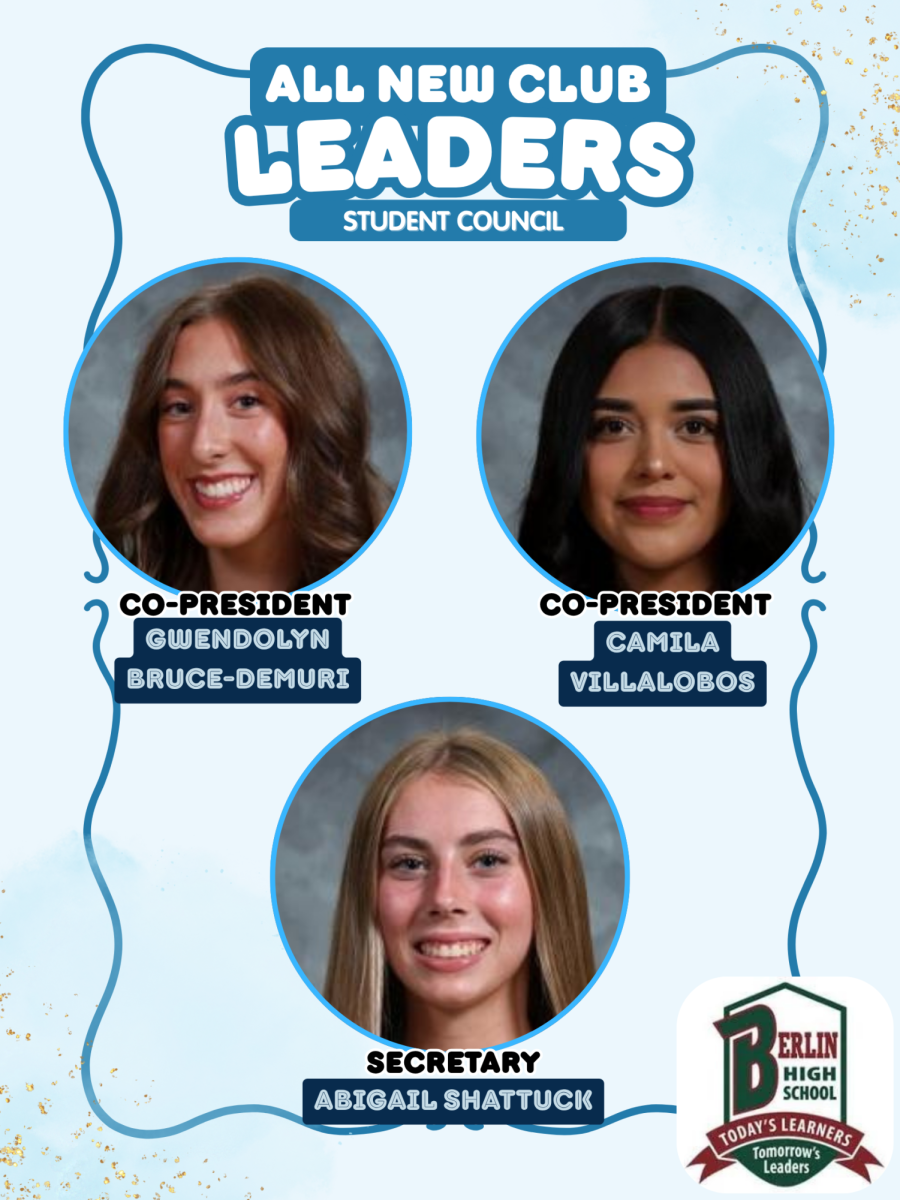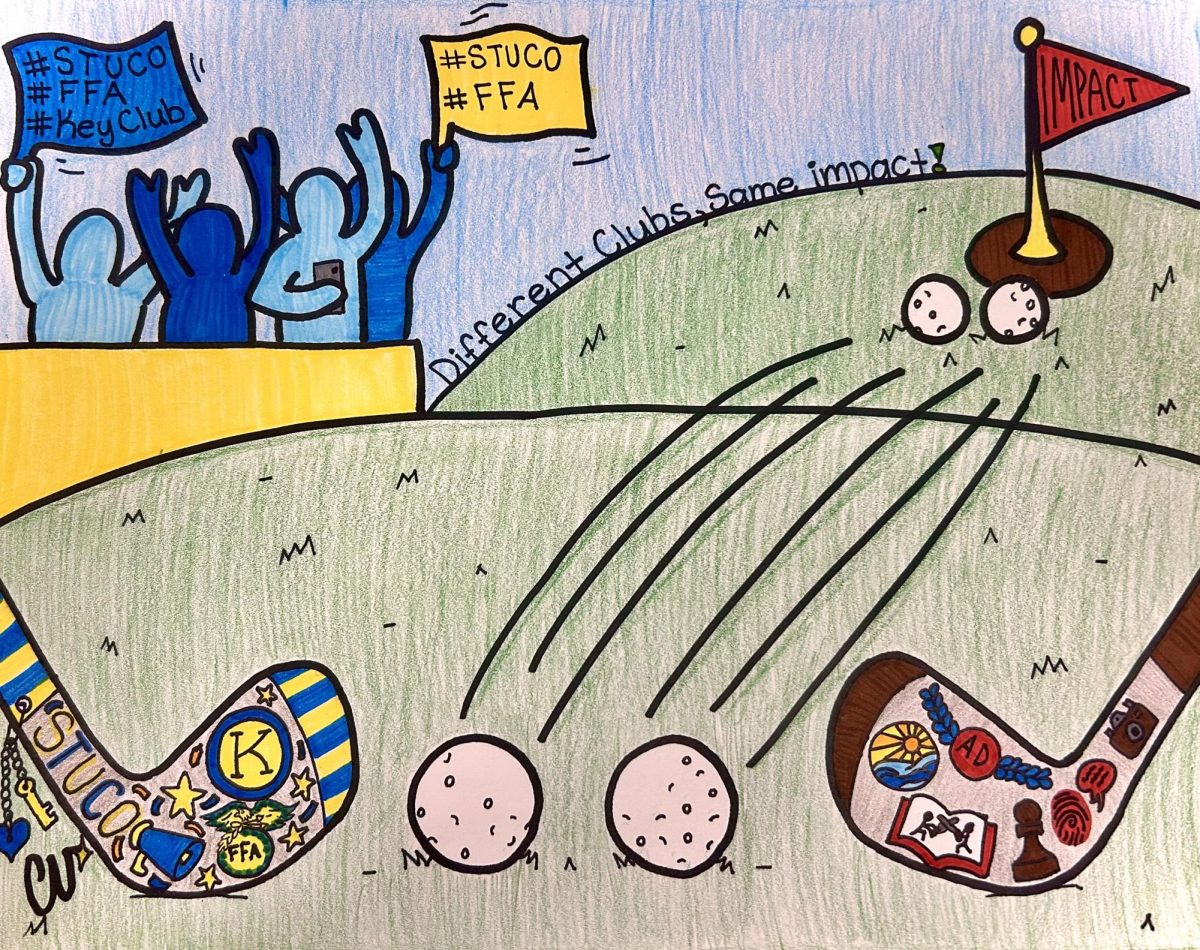
Clubs, a way to meet people with similar interests, make new friends, and do something students care about, are especially bountiful at BHS. For many incoming freshmen, the long lists of clubs might seem appealing, but not too many actually go out of their way to attend meetings/events. That is, unless it is for Student Council, FFA, or Key Club, by far the more highlighted picks. By just sticking with the most popular clubs, students can easily overlook the hidden gems that are small but important. Clubs like Mosaic, Acadeca, Forensics (now known as Speech), Battle Of The Books, Chess, Graphics, Book, and Yearbook are often not taken into consideration when joining clubs, and they should be.
While yes, the more popular clubs do tend to have more people, smaller clubs allow students to build tighter relationships with people who enjoy a certain niche. For instance, Battle Of The Books allows students to read up to 20 books, and then take quizzes on the plot, author, and title of the book. Reading comprehension and critical thinking are extremely important to the club, and are traits that many students possess.
Another great example of an underappreciated club would be Forensics, a speech club that is centered around articulation and public speaking. Students are able to rehearse speeches (either made by themselves or someone else), perform dramatic acts, and read stories. The club frequently travels to other schools to compete, another great way to meet new people.
One thing that may hurt these smaller clubs, however, is the lack of ELTs, which prevents meetings. While it is true that some clubs meet exclusively during lunch or before or after school, with fewer members, it’s much easier to meet during the long periods of ELT. Since the beginning of the school year, ELTs have been continuously cut down, primarily occurring 1-2 times per month. This change has affected everyone in some way, but the people facing the worst of it are the club advisers and leaders who simply cannot have meetings.
Though incoming freshmen are introduced to an array of clubs at their orientation, not many actually go through with pursuing their interests. They just go along with whatever the general crowd does, which can lead them to dislike what they’re involved in, and ultimately quit because they’re bored. If smaller clubs had more advertisement (more activities, school involvement), students would be more intrigued to join them. These clubs would be much more populated if other, bigger clubs didn’t overshadow them, and if they had more time for meetings.